




Advertisement
Advertisement
We all exist within a patriarchal society.
Whether you're in the United Kingdom, the United States, Europe, or any other region of the world, this is an unfortunate and inescapable reality.
While certain countries have made strides in advancing women's rights—particularly concerning the right to vote, access to education, property ownership, financial autonomy, and personal health decisions, including reproductive care—it is evident that even in the most 'progressive' societies, women are still bearing the financial burden of what is termed the 'pink tax'.
Advert
So, what exactly is the 'pink tax', and why are some men only now realizing this 'hidden cost' associated with being a woman?
What is the ‘pink tax’?
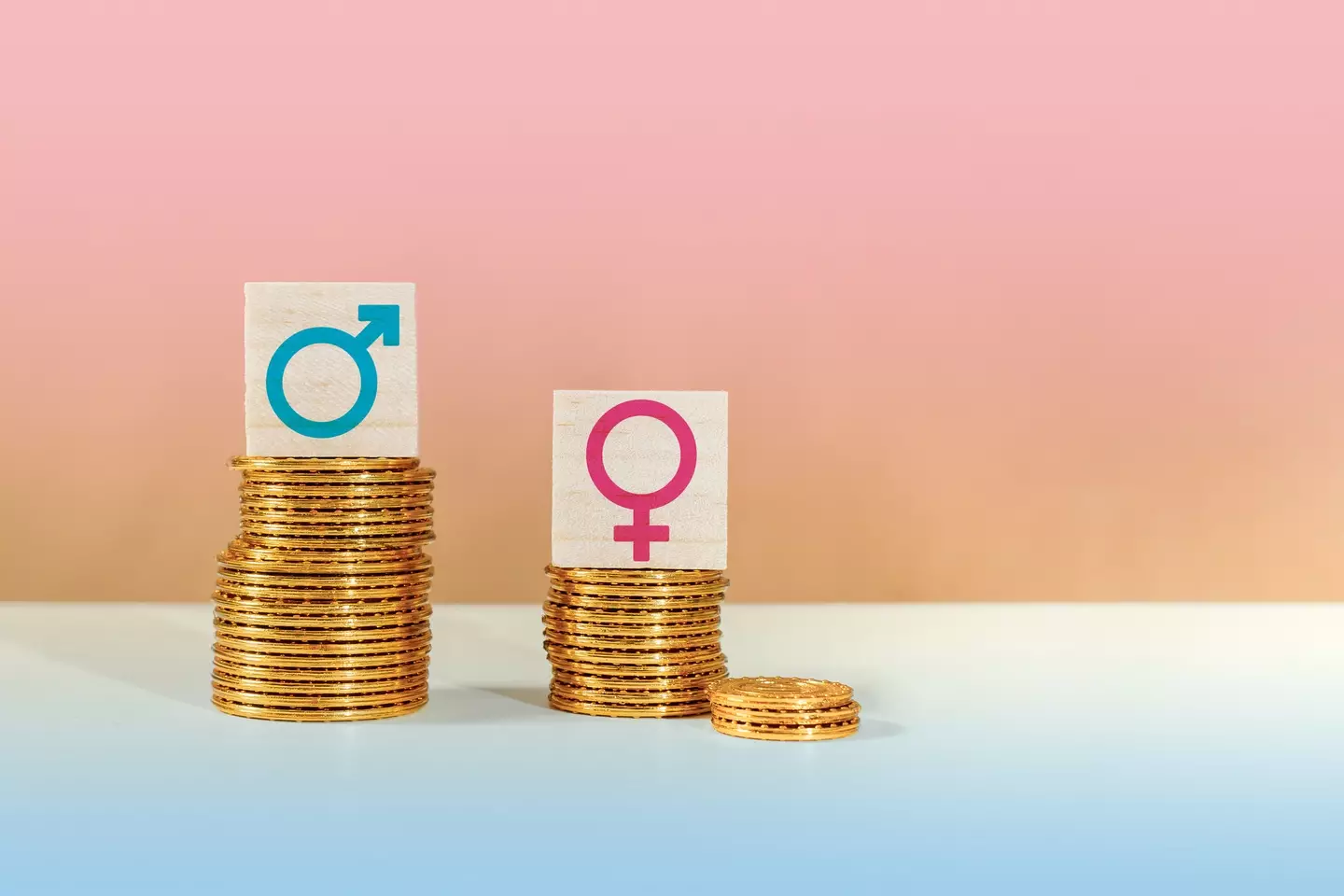
The 'discriminative cost of being a woman' extends well beyond the gender pay gap, where men reportedly earn 35% more than women annually. Women are expected to spend significantly on beauty maintenance, such as nail and hair appointments, as a woman's appearance is often perceived as a form of social currency.
This is where the pink tax becomes relevant.
Advert
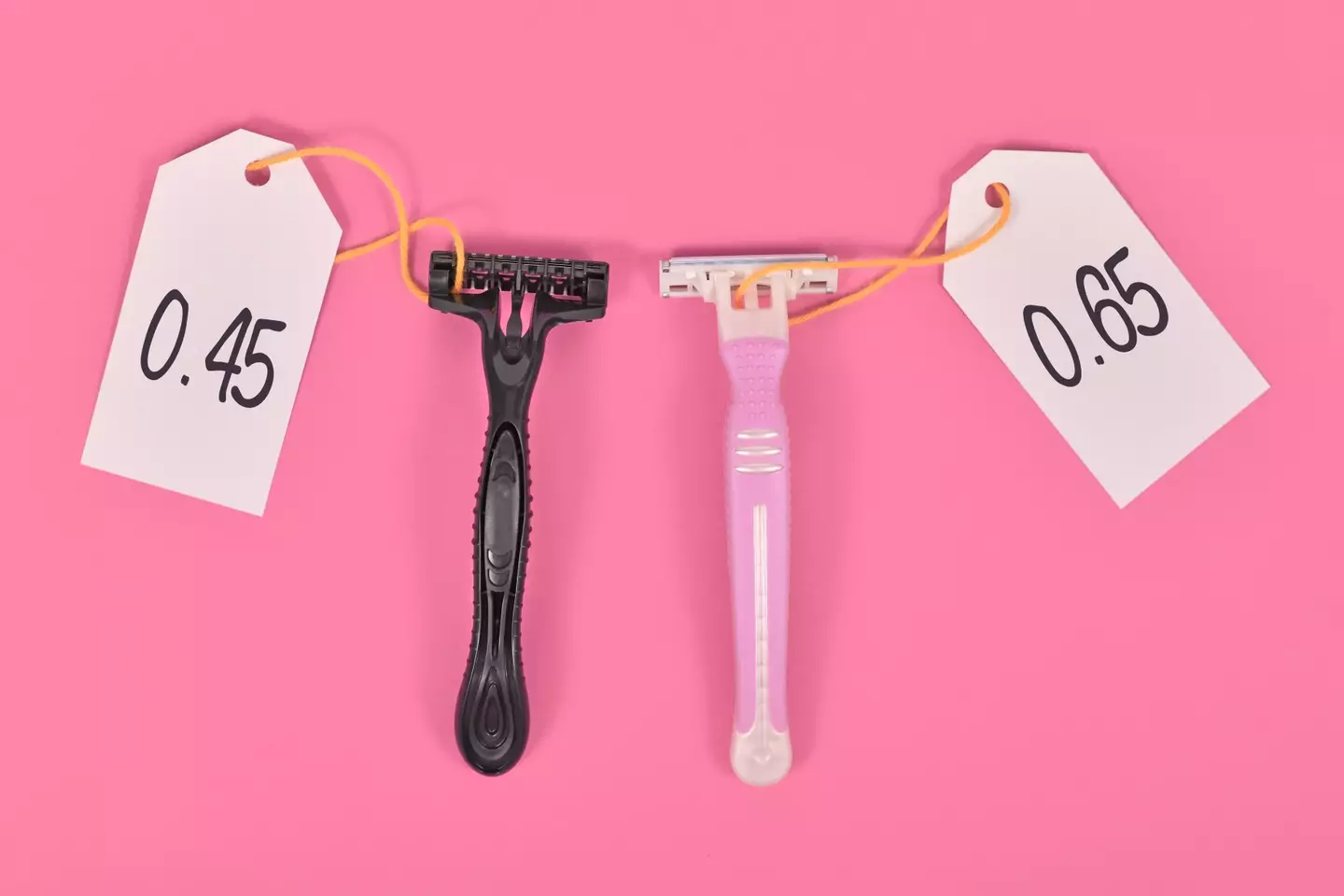
The pink tax refers to the higher prices women often pay for products marketed specifically to them, even though these products are similar to those for men. This price discrepancy is most apparent in personal care items like soaps, razors, and deodorants.
What effect does the ‘pink tax’ have on women?
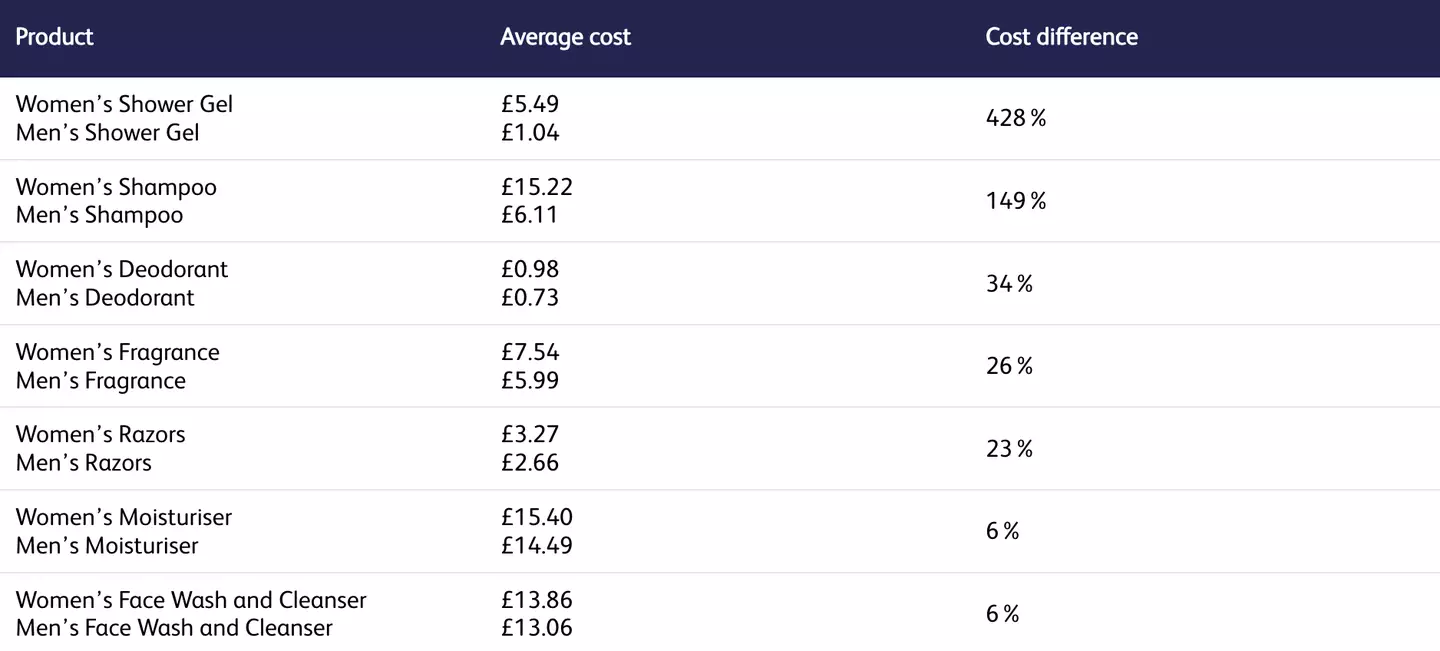
Research from The Co-operative Bank highlighted that, across seven commonly bought toiletry items, women paid nearly 40% more on average for their essential products.
Advert
This disparity in gender-based pricing, coupled with the gender pay gap and unpaid caregiving roles, often assumed by women in heterosexual relationships, results in women spending a larger portion of their income on necessities—64% compared to 53% for men. Women also incur additional expenses, such as paying hundreds for safety measures like taxis in a male violence epidemic, a cost that men may not face to the same extent.
As the pink tax disproportionately affects women by inflating the cost of products and services marketed to them, it hinders their financial stability and long-term wealth accumulation.
What are some examples of the ‘pink tax’?
The inequity of gender-based pricing is clearly illustrated by the cost of shower gel.
Advert
According to the bank, a basic men’s shower gel typically costs around £1.04, whereas a fruiter-scented women’s shower gel costs approximately £5.49, indicating a 428% price difference.
The scenario is similar with shampoo, where women’s shampoo averages £15.22 compared to £6.11 for men’s, marking a stark 149% difference.
Additionally, a US study of 800 gender-specific products revealed that women’s personal care items cost 13% more on average, and clothing and accessories are also priced higher. Another US study found women face significantly higher dry-cleaning costs, with dress shirts costing up to 90% more than men’s.
In the UK, an analysis found that women’s deodorant was 8.9% more expensive, and facial moisturizers were 34.28% pricier.
Advert
What about period products?
Historically, period products have been absurdly categorized as luxury, non-essential items, despite their necessity.
The tampon tax, a VAT on these products, exacerbates gender inequality, with a 2015 study finding that the average woman spends over £18,000 on period-related products over her lifetime, which significantly impacts her finances.
As of 2021, the UK abolished this tax to improve accessibility, with Scotland going a step further by enacting the Period Product Act, mandating that local authorities and educational institutions provide free and easily accessible period products to those in need.

Advertisement
Advertisement
Advertisement


